
Hubei’s Hydrological Renaissance: Balancing Ecology and Economic Utility
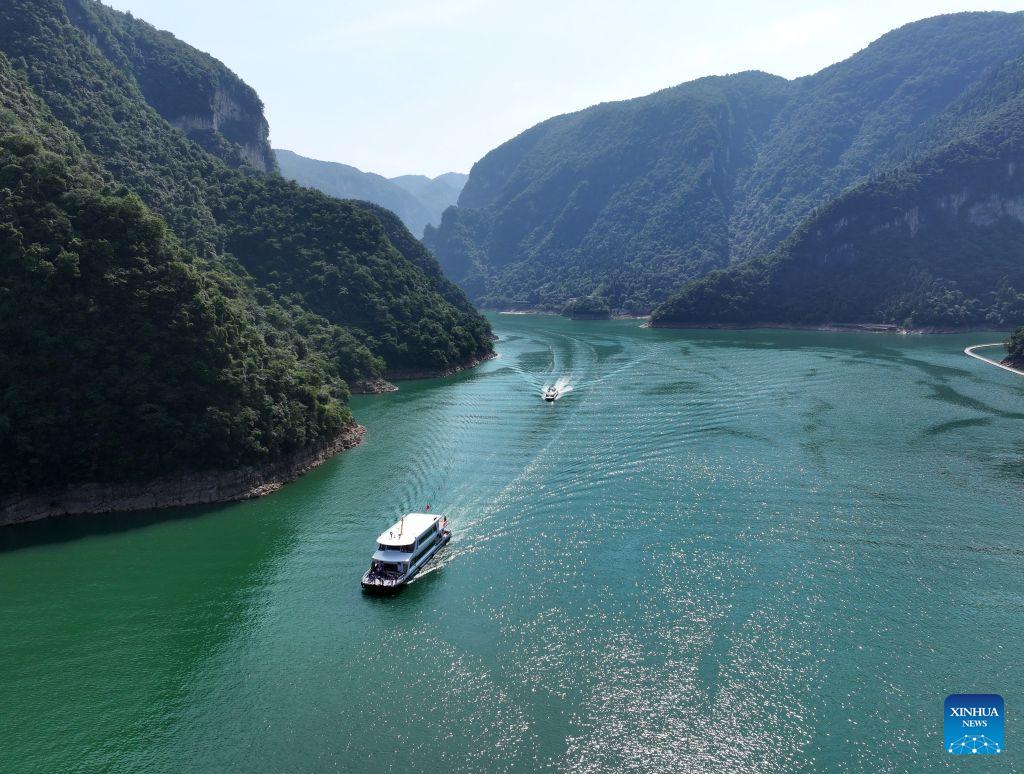
Hubei Province, famously referred to as "the province of a thousand lakes," is currently undergoing a transformative phase in how it manages its vast aquatic assets. The comprehensive management strategy currently being implemented across the Yangtze River basin is not merely an environmental preservation effort; it is a sophisticated exercise in industrial and ecological integration. As Hubei leans into its status as a central hub for China’s inland water logistics and biodiversity, the data suggests a clear move toward a "high-quality supply" model of environmental governance that prioritizes long-term resilience over short-term expansion.
The scale of this initiative is massive, covering hundreds of interconnected waterways, protected wetlands, and critical infrastructure like the Danjiangkou Dam and the Three Gorges Dam. By systematically integrating river-chief responsibilities with real-time telemetry, the provincial administration is effectively managing a complex "water-network system." We are seeing measurable improvements in water quality and habitat restoration, evidenced by the recovery of biodiversity in areas like the Shishou National Nature Reserve, where elk populations are flourishing, and the cleaner, more managed shorelines of East Lake (Donghu) in Wuhan, which now serves as a high-density hub for public recreation and eco-tourism.
As highlighted by People's Daily, the integration of water ecology with urban regeneration is a key pillar of this strategy. Cities across Hubei—from Wuhan to Jingzhou and Yichang—are leveraging their lakeside and riverside access to drive urban renewal. This has created a virtuous cycle where cleaner water enhances the commercial value of surrounding real estate, boosts tourism revenue, and provides a healthier lifestyle for the local population. For example, the conversion of former industrial docks into cultural parks and greenways demonstrates a clear strategy of "adaptive reuse" that transforms older, degraded waterfronts into premium public assets.
From a technical perspective, the ongoing effort to manage floating debris, regulate vessel traffic, and monitor chemical discharge levels is a high-frequency, continuous operation. The deployment of volunteer patrol teams and drone-based monitoring networks, as seen across Shahu Park and other sites in 2026, reflects a maturing model of community and technology-driven environmental management. This is "digital governance" in action: using surveillance and real-time intervention to maintain the health of critical water-based ecosystems.
As Hubei continues to optimize its water infrastructure, the economic and social returns are becoming increasingly apparent. By treating its "thousand lakes" not as static geography, but as a dynamic resource that requires constant investment and smart management, Hubei is positioning itself as a benchmark for ecological-industrial synergy. For observers of China’s inland development, Hubei offers a compelling blueprint: by enforcing high standards for environmental compliance and integrating water management with regional development goals, provinces can successfully reconcile the demands of a modern economy with the imperative of ecological conservation.
News source: https://peoplesdaily.pdnews.cn/china/er/30052512843
Run your congregation on Merkaz
Twenty minutes with our team is usually enough to show how Hebrew calendars, yahrtzeit automation, and member CRM fit the way your shul already works.
Book a Live Demo Explore the Platform