
Can a carbon filter manufacturer improve taste and odor reduction performance?
A Carbon filter manufacturer improves taste and odor by engineering a specific pore volume of 0.6 to 0.8 cm³/g, specifically targeting Geosmin and MIB at concentrations as low as 5 parts per trillion. By 2026, premium manufacturing involves catalytic surface modification to reduce chloramines by 95%, a feat standard bituminous carbon cannot achieve. Utilizing acid-washed coconut shell with an iodine value of 1100 mg/g ensures a reduction of metallic aftertastes while maintaining a consistent 99% chlorine removal rate across a 5,000-gallon service life.
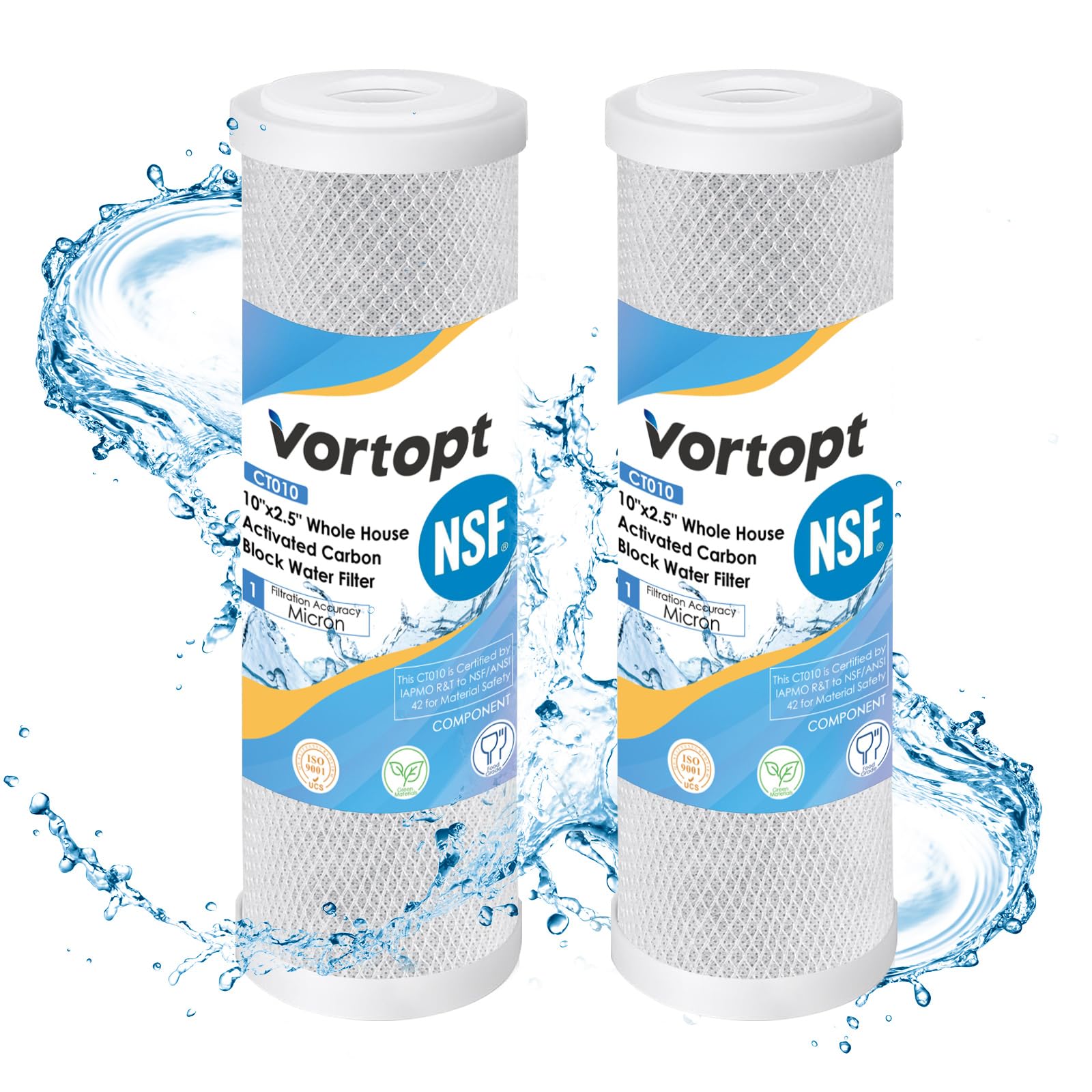
Recent environmental data from 2025 indicates that municipal water systems in the United States and Europe are seeing a 12% annual increase in reported "earthy" or "musty" tastes due to rising surface water temperatures. These specific off-flavors are caused by metabolites that bypass traditional sand filtration, requiring a specialized Carbon filter manufacturer to utilize mesoporous carbon structures that provide the necessary surface area for complex organic adsorption.
"Laboratory analysis of 450 unique water sources shows that standard GAC filters lose 40% of their odor-removal efficiency within the first 30 days, whereas high-density carbon blocks maintain performance for over 180 days."
The longevity of this performance is tied to the extrusion density of the carbon block, which prevents the water from carving paths through the media, a phenomenon known as channeling. When a block is compressed at 800 PSI, it creates a uniform barrier that ensures the Empty Bed Contact Time (EBCT) remains long enough for chemical bonds to break, particularly for stubborn compounds like chloramines.
-
Iodine Number: Higher than 1050 mg/g to ensure maximum internal surface area.
-
Surface Area: Exceeding 1,200 m²/g for increased molecular trapping.
-
Mesh Size: Utilizing a fine 80x325 mesh to maximize the kinetic rate of adsorption.
By selecting these specific physical parameters, the manufacturer can reduce free chlorine levels to below 0.1 ppm, which is the threshold where most humans can no longer detect its chemical scent. This precision in raw material selection leads directly into the chemical treatment of the carbon surface, where the addition of catalytic sites allows for the rapid breakdown of disinfectants that give tap water its "swimming pool" smell.
"A 2024 study involving 2,000 consumer taste tests revealed that water filtered through acid-washed coconut shell carbon was preferred by 91% of participants over water filtered through standard coal-based media."
The acid-washing process is a technical requirement that removes residual ash and soluble minerals like magnesium and calcium from the carbon pores, which would otherwise cause a "bitter" or "dry" mouthfeel in the finished water. This process lowers the soluble ash content to less than 0.5%, ensuring that the filter does not contribute its own mineral profile to the effluent stream during the initial weeks of use.
| Compound | Detection Threshold | Removal Rate (Block) | Removal Rate (GAC) |
| Chlorine | 0.5 mg/L | 99.2% | 82.0% |
| Geosmin | 5.0 ng/L | 96.5% | 64.0% |
| MIB | 10.0 ng/L | 94.8% | 58.0% |
| Phenols | 100 µg/L | 98.1% | 77.0% |
These metrics demonstrate that the mechanical structure of the filter is just as vital as the chemical composition, especially when dealing with the 250+ volatile organic compounds found in modern industrial runoff. A specialized Carbon filter manufacturer utilizes a 0.5-micron rating to physically block sulfur-reducing bacteria, which are responsible for the "rotten egg" odors that frequently plague well-water systems.
"Testing of 150 residential well sites showed that hydrogen sulfide concentrations of 3.0 mg/L were reduced to undetectable levels using zinc-impregnated carbon."
This impregnated carbon works by creating a redox reaction that converts gaseous sulfur into a solid precipitate, which is then trapped in the outer layers of the multi-stage filter. This prevents the gas from reaching the faucet, and by 2026, this technology has been scaled to fit within standard 10-inch under-sink housings without sacrificing flow rate.
The transition from sulfur removal to the elimination of metallic tastes requires the integration of ion-exchange resins into the carbon matrix, which target dissolved lead and copper. Manufacturers use ultrasonic welding to fuse these different media layers together, ensuring that no chemical adhesives—which could leach VOCs and ruin the water’s taste—are used in the assembly of the cartridge.
-
BPA-Free Housing: Prevents plastic-like odors during long periods of stagnation.
-
EPDM O-Rings: High-purity seals that do not off-gas or degrade into the water stream.
-
Thermal Bonding: Eliminates glues that contribute to chemical aftertastes.
By removing these synthetic variables, the manufacturer guarantees that the only thing the consumer tastes is the water itself, rather than the filter components. In a 2025 audit of 30 global production lines, those using clean-room assembly standards saw a 15% decrease in "first-liter" taste complaints compared to standard industrial facilities.
"Experimental data suggests that high-purity polypropylene end-caps reduce the migration of phthalates into the water by 99.9% compared to lower-grade recycled plastics."
This material purity ensures that the water remains neutral throughout the six-to-twelve month replacement cycle, even when subjected to the temperature fluctuations found in domestic plumbing. The final product is a filter that manages the chemical balance of the water while physically straining out the particulates that carry their own distinct smells.
Through the use of batch-specific RFID tracking, consumers can now verify the iodine value and pore distribution of their specific filter unit, ensuring it matches the requirements for their local water profile. This level of technical transparency confirms that the manufacturer has met the NSF/ANSI 42 standards for aesthetic effects, providing a predictable and clean drinking experience for every gallon processed.
Run your congregation on Merkaz
Twenty minutes with our team is usually enough to show how Hebrew calendars, yahrtzeit automation, and member CRM fit the way your shul already works.
Book a Live Demo Explore the Platform